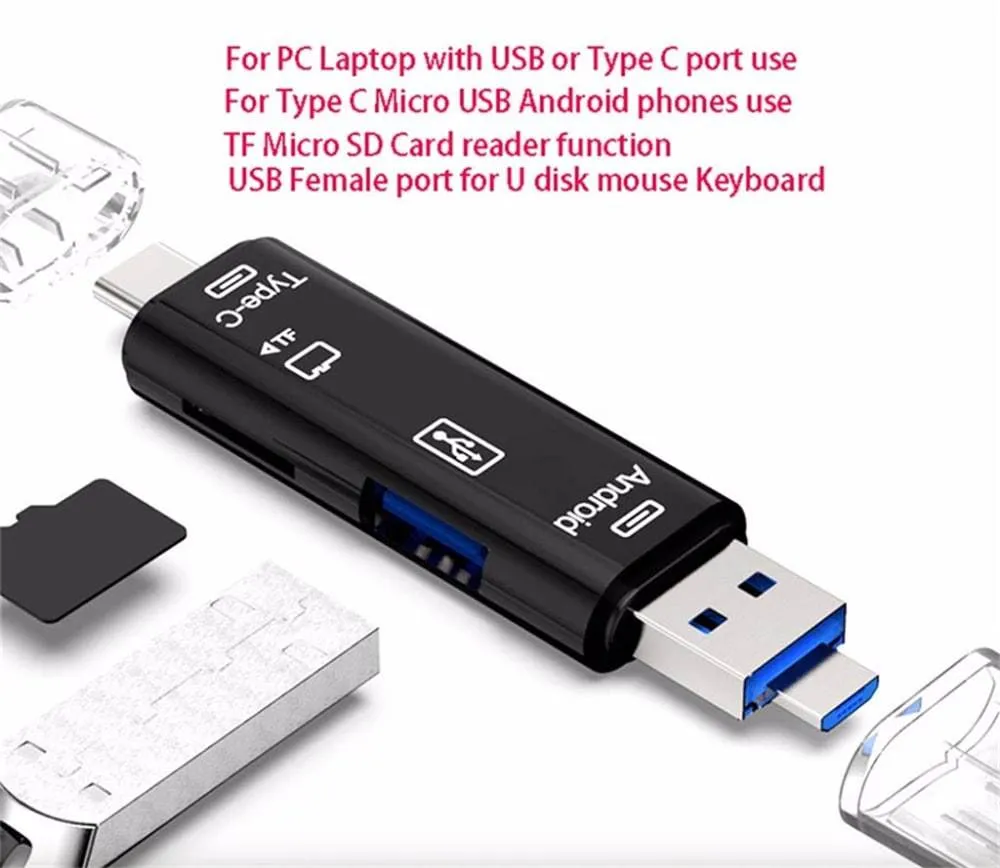
USB-C to Micro USB OTG hub adapter with TF card reader, converts USB-C to standard USB 2.0 and Micro USB ports, supports memory cards up to 128GB for MacBook, smartphones, tablets with USB-C or Micro USB interfaces, available in black or white colour


USB-C to Micro USB OTG hub adapter with TF card reader, converts USB-C to standard USB 2.0 and Micro USB ports, supports memory cards up to 128GB for MacBook, smartphones, tablets with USB-C or Micro USB interfaces, available in black or white colour
USB-C to Micro USB OTG Hub Adapter with 128GB TF Card Reader for Multi-Device Connectivity

Modern computing devices increasingly feature USB-C ports while many peripherals still use older connection standards. This creates a practical problem: how to connect USB 2.0 devices, Micro USB accessories, and memory cards to a laptop or tablet with only USB-C ports. The USB-C to Micro USB OTG hub adapter provides a straightforward solution by converting one USB-C port into three functional interfaces. Rather than carrying multiple separate adapters, this single compact device offers standard USB 2.0 connectivity, Micro USB output, and TF card reading capabilities in one unit. Its compatibility extends to MacBooks, smartphones, and tablets that feature either USB 3.1 Type-C ports or Micro USB ports, making it particularly useful for users who work across different device ecosystems.
Features and Construction
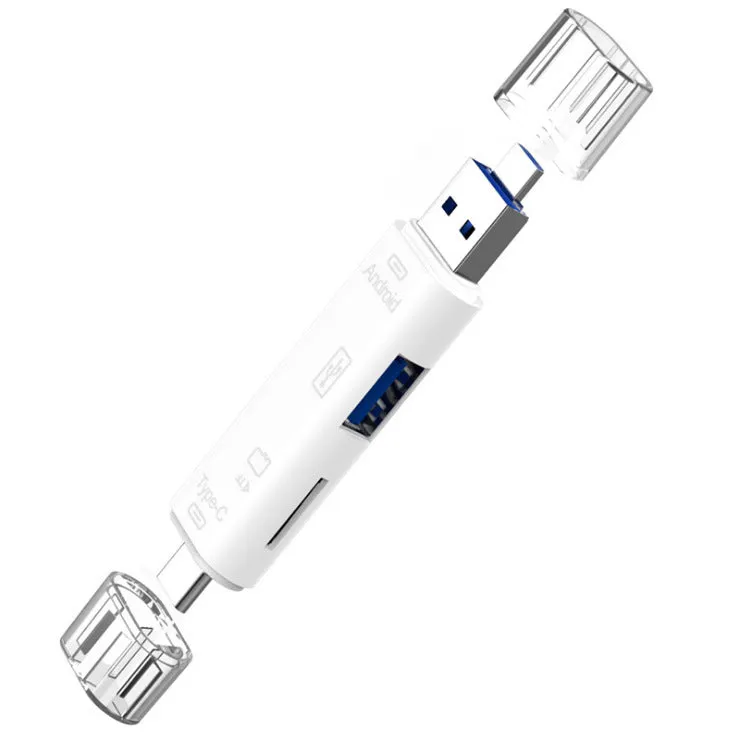
The hub adapter is designed around practical connectivity needs rather than complex features. Its construction focuses on providing reliable physical connections between different interface standards while maintaining a portable form factor suitable for travel or desk use. The device recognises that many users still own peripherals with older connection types while upgrading to modern devices with USB-C ports, creating a genuine need for cross-interface compatibility without sacrificing performance or convenience.
Material and Build
The adapter housing uses plastic materials that provide lightweight protection for the internal components while keeping the overall unit portable. Metal connectors ensure reliable electrical contact between devices, with the USB 3.1 Type-C input connector designed to withstand repeated insertion and removal. The internal circuit board supports both USB 3.1 Type-C and USB 2.0 protocols, enabling data transfer and power delivery through the appropriate ports. The TF card slot features a spring-loaded mechanism that securely holds memory cards in place during data access.
Size and Practical Fit
While specific dimensions aren't provided in the source material, the adapter's design prioritises compactness for easy portability alongside laptops, tablets, and smartphones. The form factor allows it to connect directly to a device's USB-C port without creating excessive bulk or weight that might strain the port. The practical design considers both desktop use, where the adapter might remain connected for extended periods, and mobile use, where it needs to be small enough to carry in a laptop bag or pocket alongside other essentials.
Uses and Placement
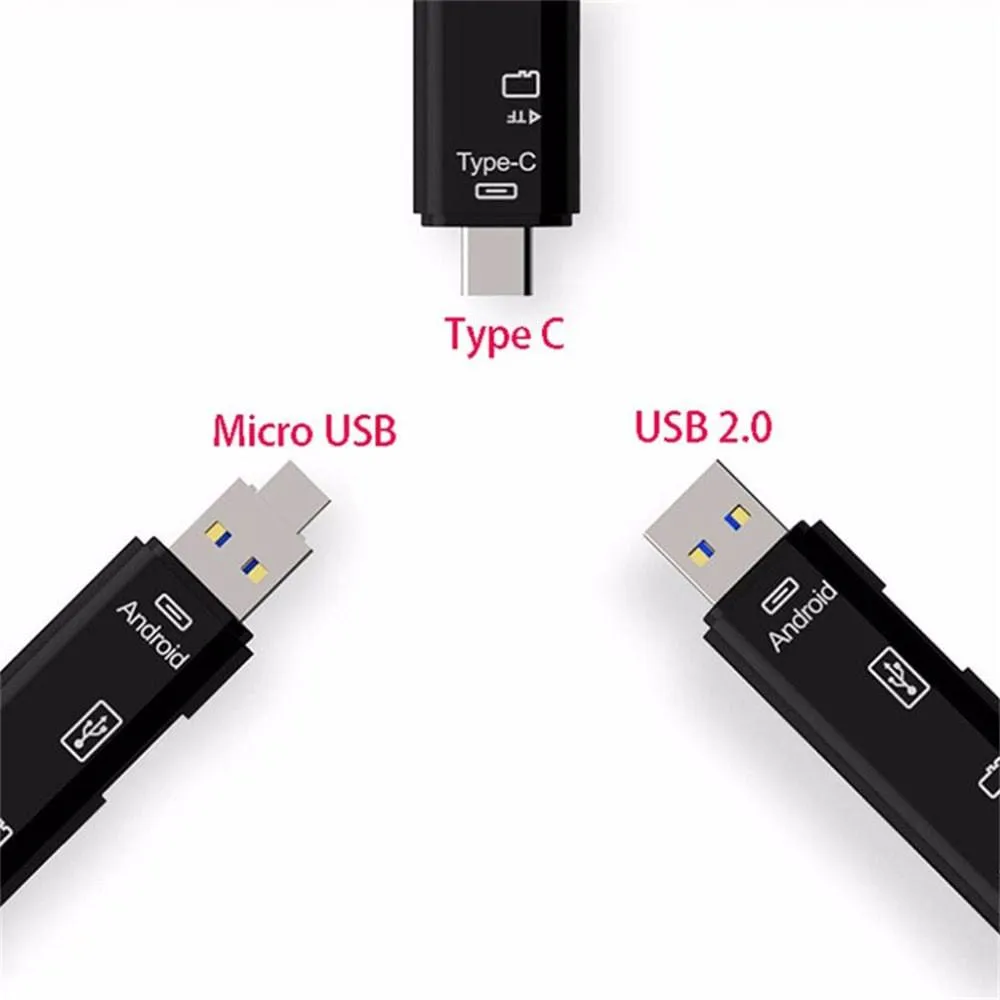
This adapter finds application in various scenarios where device connectivity limitations would otherwise hinder productivity or convenience. Its multi-interface approach addresses the common situation where users need to connect older peripherals to newer devices, access memory card data on computers without built-in readers, or charge one device from another with incompatible ports. The hub serves as a bridge between different technology generations, extending the useful life of existing accessories while enabling full use of modern device capabilities.
Event or Professional Use
For photographers, videographers, or content creators working in field conditions, the TF card reader capability allows immediate access to footage or images on laptops or tablets without carrying dedicated card readers. Event professionals can transfer presentation files from standard USB flash drives to tablets using the USB 2.0 port, while the Micro USB output might charge secondary devices like audio recorders or portable lights. The adapter's cross-compatibility proves particularly valuable in professional settings where equipment from different eras must work together seamlessly, and carrying multiple specialised adapters would be impractical.
Everyday Home Use
At home, the adapter simplifies connecting gaming controllers, external keyboards, or other USB accessories to tablets or modern laptops that lack standard USB ports. Parents might use it to transfer schoolwork between family members' devices with different connection types, while the Micro USB port could charge older smartphones or e-readers from a newer laptop's USB-C port. The TF card reader allows quick access to photos or videos from cameras, drones, or action cameras on computers without built-in memory card slots, eliminating the need for separate card readers that might get misplaced.
Benefits and Buying Value
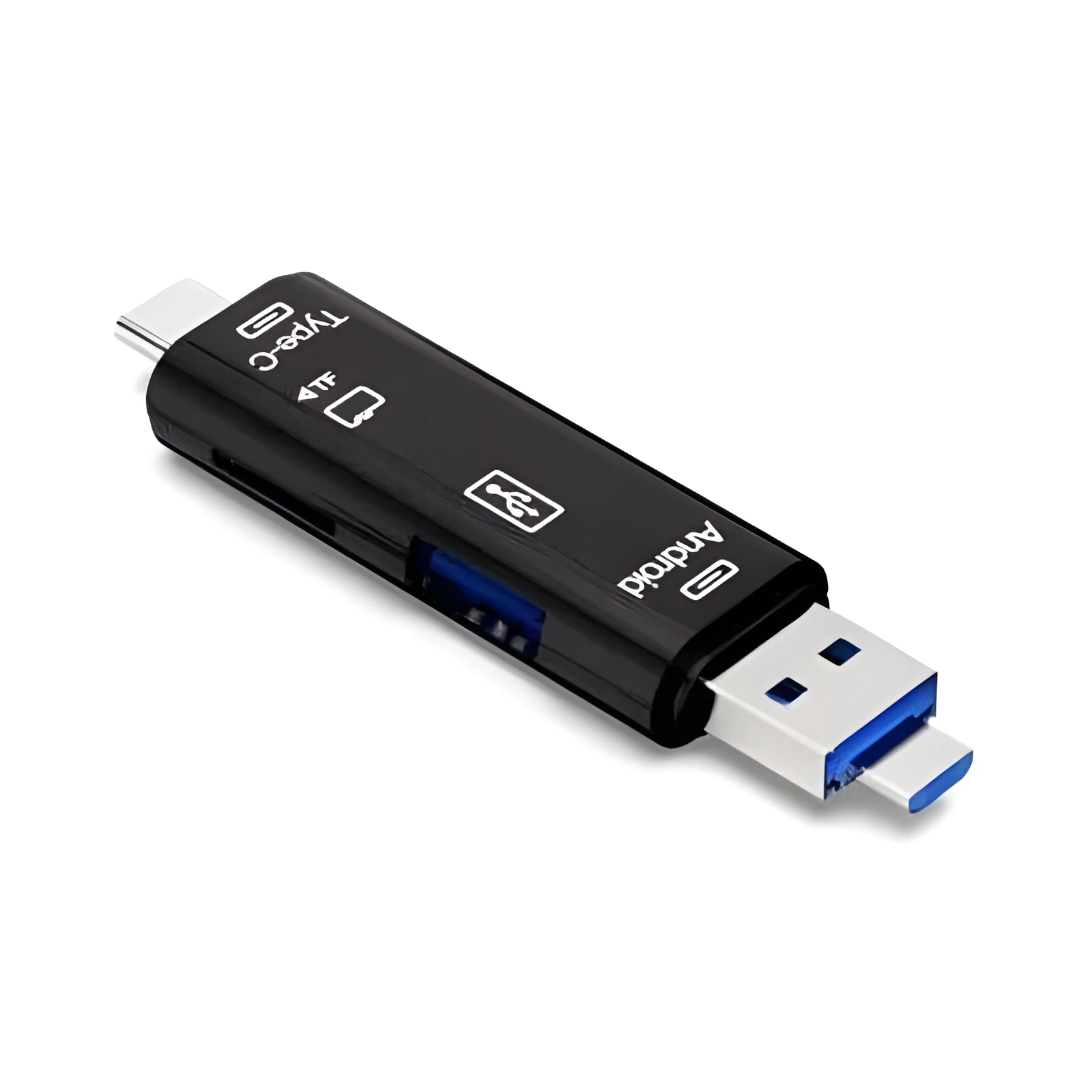
The primary value of this adapter lies in its consolidation of multiple connectivity functions into one compact device. Rather than purchasing separate USB-C to USB 2.0 adapters, Micro USB cables, and external card readers, users get all three capabilities in a single unit that's simpler to organise and less likely to be left behind when needed. This multi-function approach reduces clutter in laptop bags, minimizes the number of accessories to track, and provides immediate solutions to common connectivity problems that arise when working across different device generations.
Reuse and Low Maintenance
The adapter extends the useful life of existing USB 2.0 and Micro USB devices by making them compatible with modern computers and tablets. This represents both economic and environmental value, as perfectly functional peripherals don't need replacement simply because connection standards have evolved. Maintenance requirements are minimal since the device has no moving parts beyond the spring-loaded TF card slot, and its solid-state construction means there are no filters, drivers, or complex settings requiring regular attention or updates.
Why Choose This Product
This adapter stands out for its specific combination of USB-C to USB 2.0 conversion, Micro USB output, and TF card reading in one device. While many adapters offer one or two of these functions separately, having all three integrated addresses more real-world connectivity scenarios without requiring users to carry multiple adapters. The explicit support for memory cards up to 128GB capacity provides practical data transfer capabilities for photography, file sharing, or device backup purposes, while the dual colour options (black and white) offer some personalisation to match different devices or preferences.