
Cat cone collar pet Elizabethan collar for post-surgery recovery and licking prevention, made from soft EPE material with an adjustable strap and folding edge design for unobstructed vision, suitable for small and large cats and kittens.


Cat cone collar pet Elizabethan collar for post-surgery recovery and licking prevention, made from soft EPE material with an adjustable strap and folding edge design for unobstructed vision, suitable for small and large cats and kittens.
Soft EPE Cat Recovery Collar: Adjustable Cone for Post-Surgery Healing and Licking Prevention

When your cat needs to recover from surgery or an injury, preventing them from irritating the wound is essential. This cat cone collar provides a soft, protective barrier designed to stop licking and biting, allowing for proper healing. Unlike traditional rigid plastic cones, this collar uses a soft EPE foam construction, making it more comfortable for your pet during both short-term postoperative care and longer-term use for managing anxious grooming behaviours. Its practical design includes an adjustable strap for a secure fit and a folding edge that maintains your cat's field of vision, helping them navigate their environment more easily during recovery.
Features and Construction

This recovery collar is built with specific features to address common issues with pet cones, focusing on comfort, security, and practicality without unnecessary complexity.
Material and Build
The collar is made from EPE (Expanded Polyethylene) foam, a material selected for its softness, lightweight feel, and breathability. This offers a cushioning effect against bumps, which is a practical advantage over harder plastic cones that can be uncomfortable and noisy. The source text specifies this material provides a more comfortable experience, allowing cats to eat and sleep with less disruption, though no specific durability or performance claims beyond its cushioning property are made.
Size and Practical Fit
The collar is available in three sizes: Small, Medium, and Large (S, M, L), catering to both cats and kittens. A secure fit is managed through an integrated adjustable strap. The instructions clearly state that after adjusting the strap to suit your pet's neck, you should tie a knot to prevent it from loosening. Crucially, the source text advises measuring your cat's neck girth before purchase and ensuring the 'length of the cat's head is less than the depth of the cone' to guarantee proper protection.
Uses and Placement
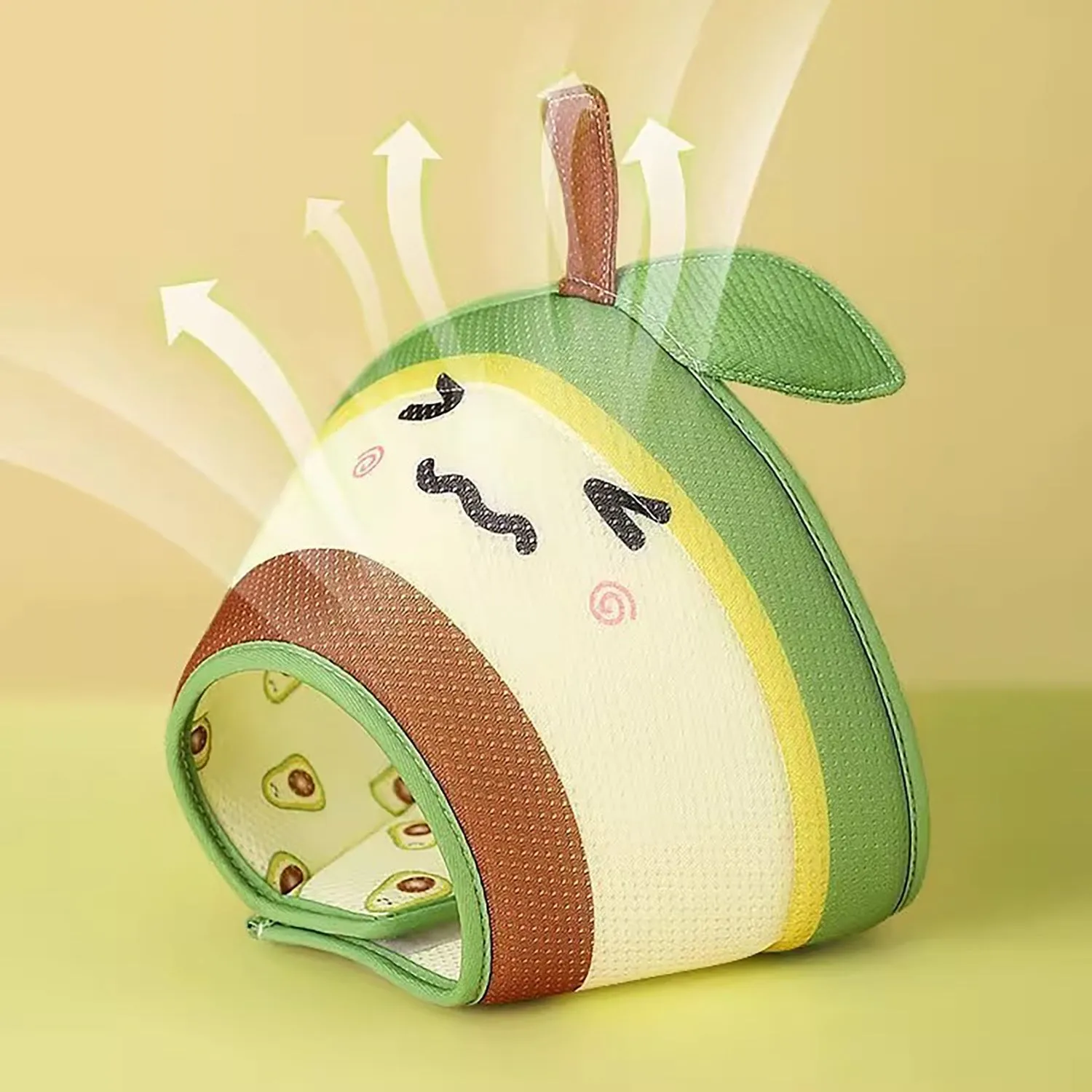
This product serves a clear protective function in specific scenarios, from professional veterinary aftercare to home management of pet behaviours.
Event or Professional Use
The primary intended use is for postoperative healing following veterinary procedures such as neutering, spaying, or wound treatment. By forming a physical barrier, the collar prevents the cat from directly accessing surgical sites or injuries with its mouth, which is a standard requirement for safe recovery. It is designed for this short-term, medical-purpose wear as an alternative to clinical plastic cones.
Everyday Home Use
Beyond immediate post-surgery care, the collar is also suggested for 'long-term use to deter anxious biting or licking behaviours' in a home setting. This applies to pets with conditions like allergies or stress-related over-grooming. The soft construction and vision-friendly design make it more suitable for extended wear around the house compared to bulkier alternatives.
Benefits and Buying Value
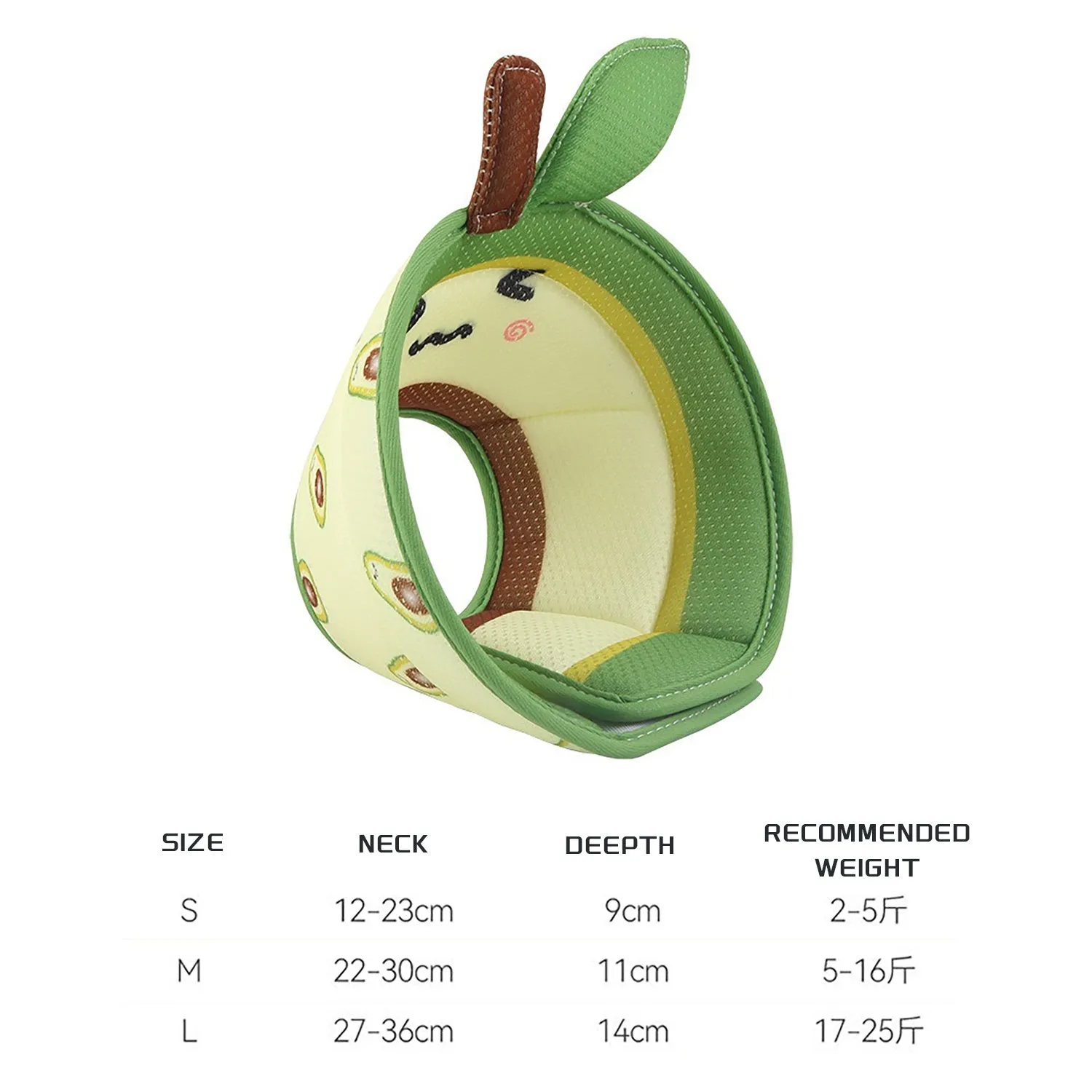
The value of this product lies in its specific design choices that aim to solve common problems associated with recovery collars, offering a practical alternative for pet owners.
Reuse and Low Maintenance
The simple construction of soft EPE foam and a strap suggests easy cleaning with a damp cloth, though specific care instructions are not provided. Its sturdy yet soft nature implies it can withstand the rigours of recovery wear. The potential for use across different recovery episodes or for managing chronic conditions adds to its practical value, assuming it remains intact and clean.
Why Choose This Product
Choosing this collar centres on its concrete differences from a basic plastic cone: the soft EPE material for comfort, the adjustable strap for a secure fit, and the folding edges for maintained vision. These features address specific complaints about traditional cones—discomfort, poor fit, and disorientation. The buying decision should be based on accurately measuring your cat and understanding that its effectiveness relies on a correct fit where the cone depth exceeds the head length.

