
Wuta Leather Round Hole Punching Tool Manual Sewing Leather Craft Equipment with Black Porous Punching Capability in 4mm Spacing Available as 2 Teeth, 4 Teeth, or 6 Teeth Row Punch Models

Wuta Leather Round Hole Punching Tool Manual Sewing Leather Craft Equipment with Black Porous Punching Capability in 4mm Spacing Available as 2 Teeth, 4 Teeth, or 6 Teeth Row Punch Models
Wuta Manual Leather Punch Tool for Creating 4mm Spaced Round Holes
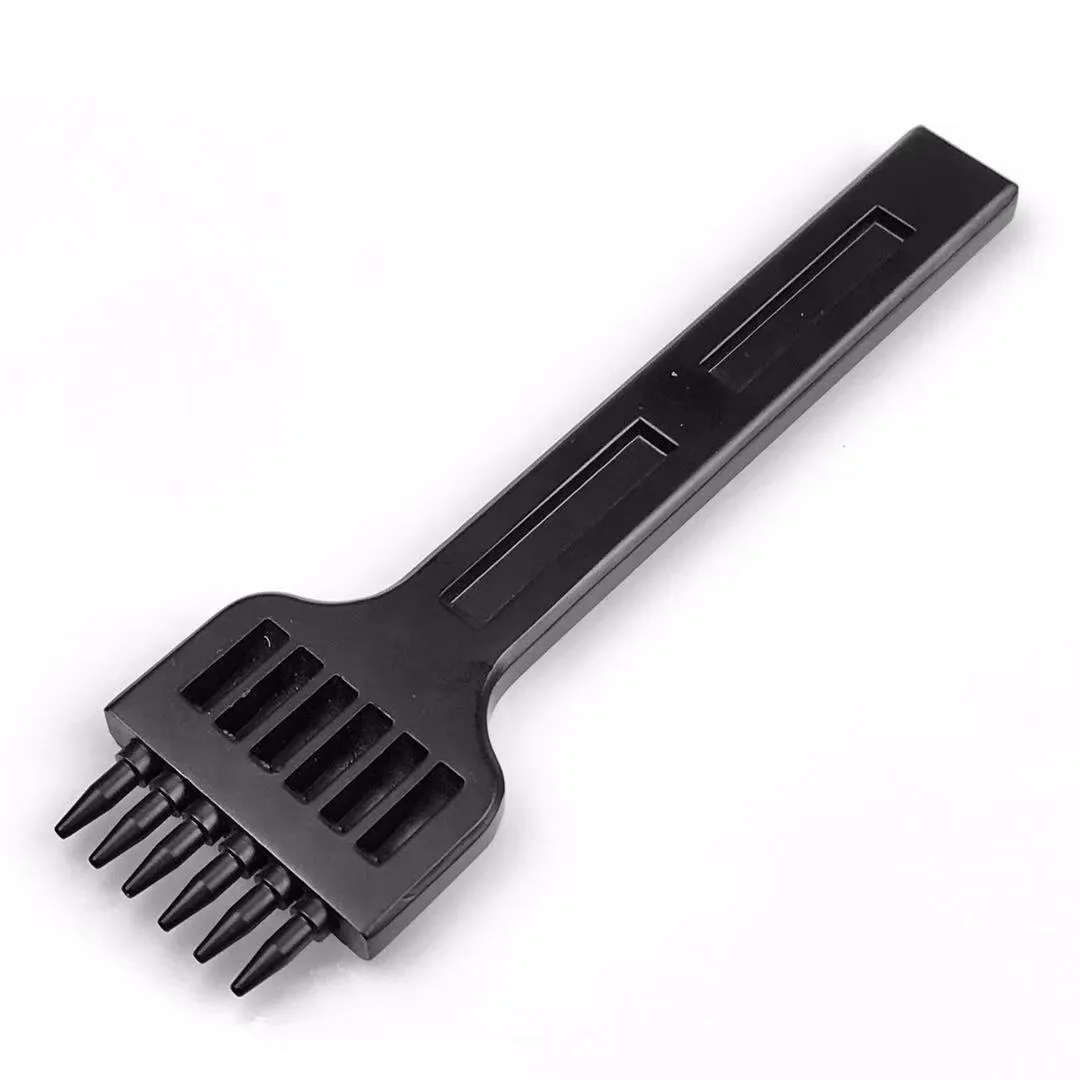
This Wuta manual leather hole punching tool is designed for leatherworkers, hobbyists, and DIY crafters who require a reliable, hand-operated method for creating uniform round holes. It is a fundamental piece of equipment for projects involving manual sewing, lacing, or decorative stitching on leather goods. The tool operates without electricity, offering direct control and portability for a workshop, studio, or on-the-go repairs. Its core function is to punch a row of holes with precise 4mm spacing in a single action, saving time compared to marking and punching each hole individually.
Features and Construction

The tool's primary feature is its fixed-hole spacing and row-punching capability. It is built for repetitive manual use in leatherworking. The available configurations allow users to match the tool to the scale of their project.
Material and Build
The tool is finished in black and features a porous punching mechanism. While the exact metallic alloys or handle materials are not specified, the design is intended for manual operation, requiring user pressure to punch through leather. This construction suggests a focus on mechanical simplicity and durability for its intended craft use, rather than incorporating powered components.
Size and Practical Fit
The key measurable specification is the consistent 4mm centre-to-centre distance between each punched hole. This spacing is suitable for many common leather stitching and lacing techniques. The tool is offered in three distinct models based on the number of teeth in the row punch: a 2-tooth version for shorter runs, a 4-tooth version for medium sections, and a 6-tooth version for creating longer lines of holes efficiently. The physical dimensions and weight of the tool are not provided.
Uses and Placement
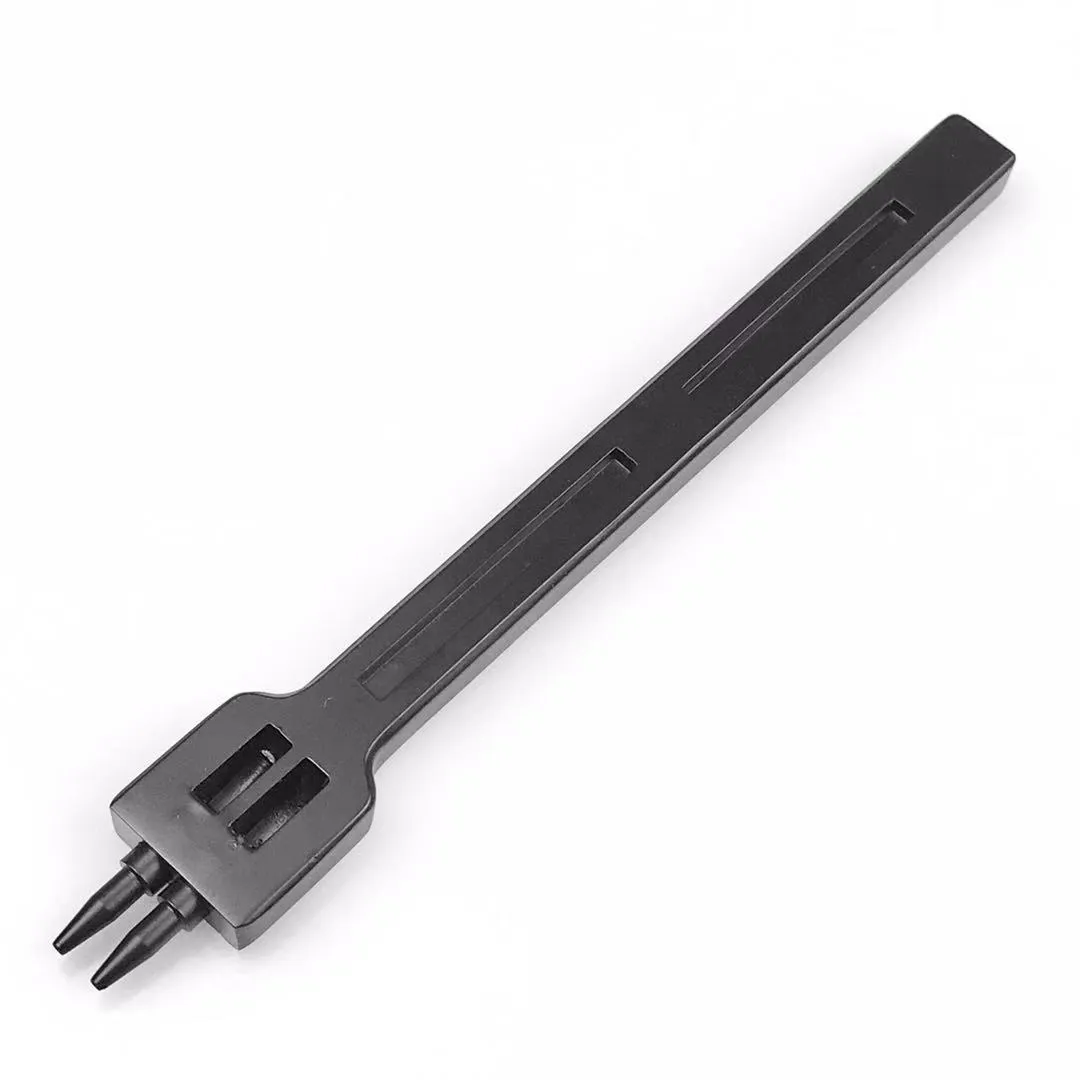
This tool serves a specific role within leather crafting, focused on the preparation stage before sewing. It is a practical solution for creating the holes through which thread, lace, or cord will pass.
Event or Professional Use
For professional leatherworkers, shoemakers, or saddlers, this type of manual punch is a staple workshop tool for constructing bags, belts, footwear, and equestrian gear. The 4mm spacing is a practical standard for many functional and decorative stitching patterns. The choice between a 2, 4, or 6-tooth row punch allows a professional to select the tool that best fits the specific seam length they are working on, balancing speed with manoeuvrability around curved pieces.
Everyday Home Use
For hobbyists and DIY enthusiasts working on smaller projects like wallets, key fobs, notebook covers, or pet collars, a manual punch provides an accessible entry point into leatherwork without a large investment in machinery. The 4mm spacing is ideal for these smaller-scale items. The 2-tooth or 4-tooth models may be particularly suitable for home workshops where space is limited and projects vary in size and complexity.
Benefits and Buying Value
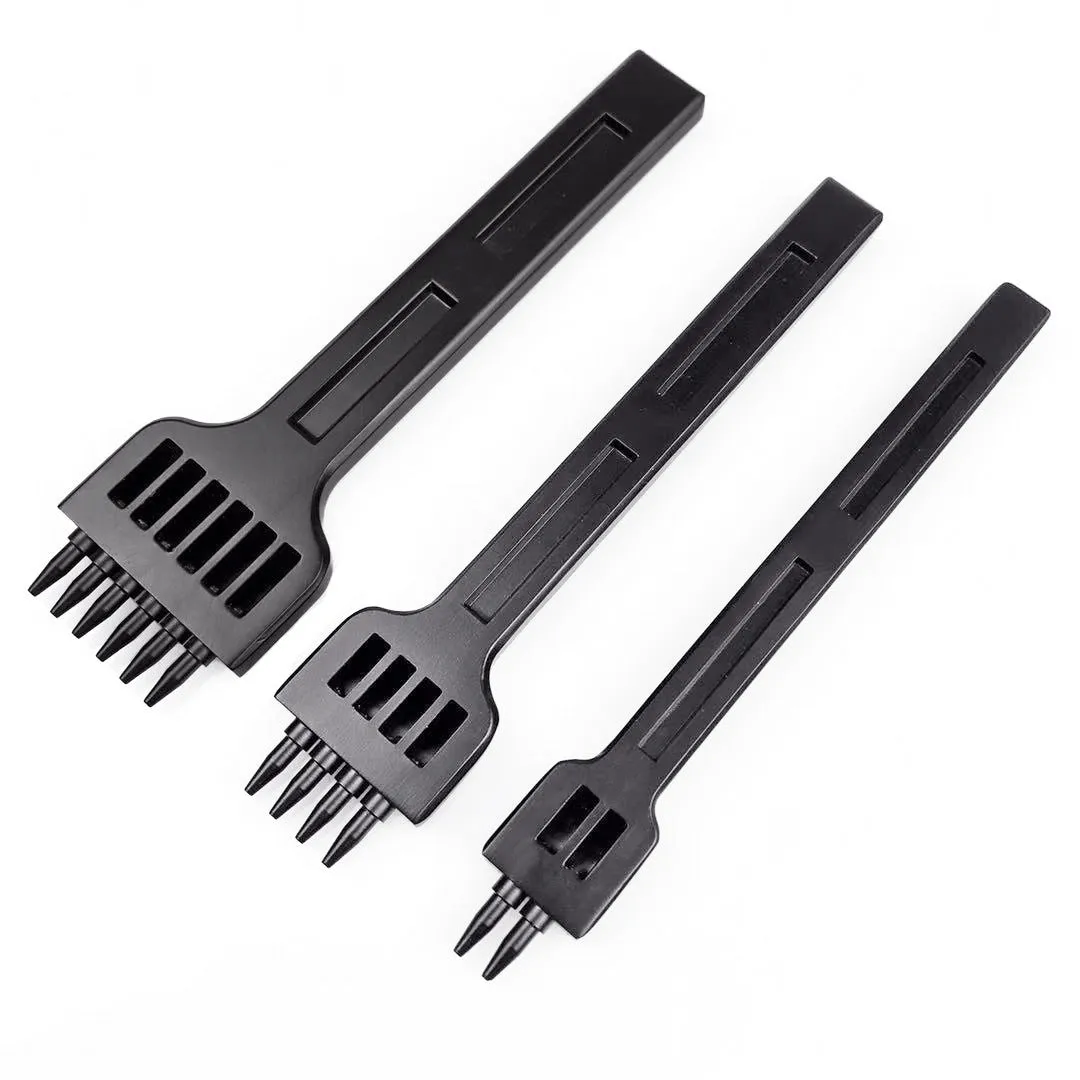
The value of this tool lies in its dedicated function, simplicity, and the time it can save over alternative methods. It addresses a specific, recurring need in leather craft.
Reuse and Low Maintenance
As a manual tool with no electrical parts, it is designed for repeated use over time with minimal maintenance. General care such as keeping it clean and dry will help preserve its function. The solid construction typical of such tools is aimed at withstanding the pressure required to punch through multiple layers of leather across many projects.
Why Choose This Product
This Wuta punch offers a clear solution for anyone needing to create evenly spaced round holes in leather. The fixed 4mm spacing ensures consistency, which is difficult to achieve when punching holes individually with a single punch. The availability of three row-length options provides flexibility, allowing you to choose a model suited to your most common project types. It represents a focused investment in a tool that performs one task reliably, forming part of a comprehensive leatherworking toolkit.