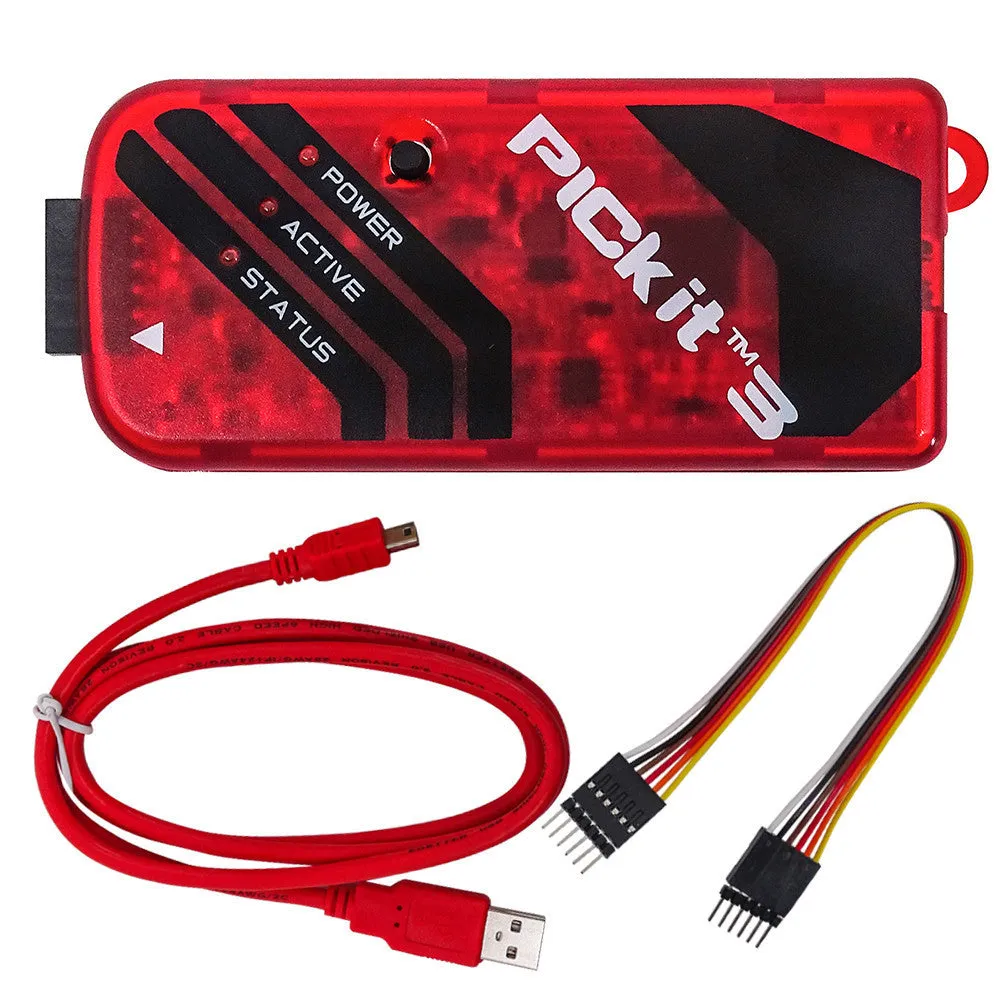
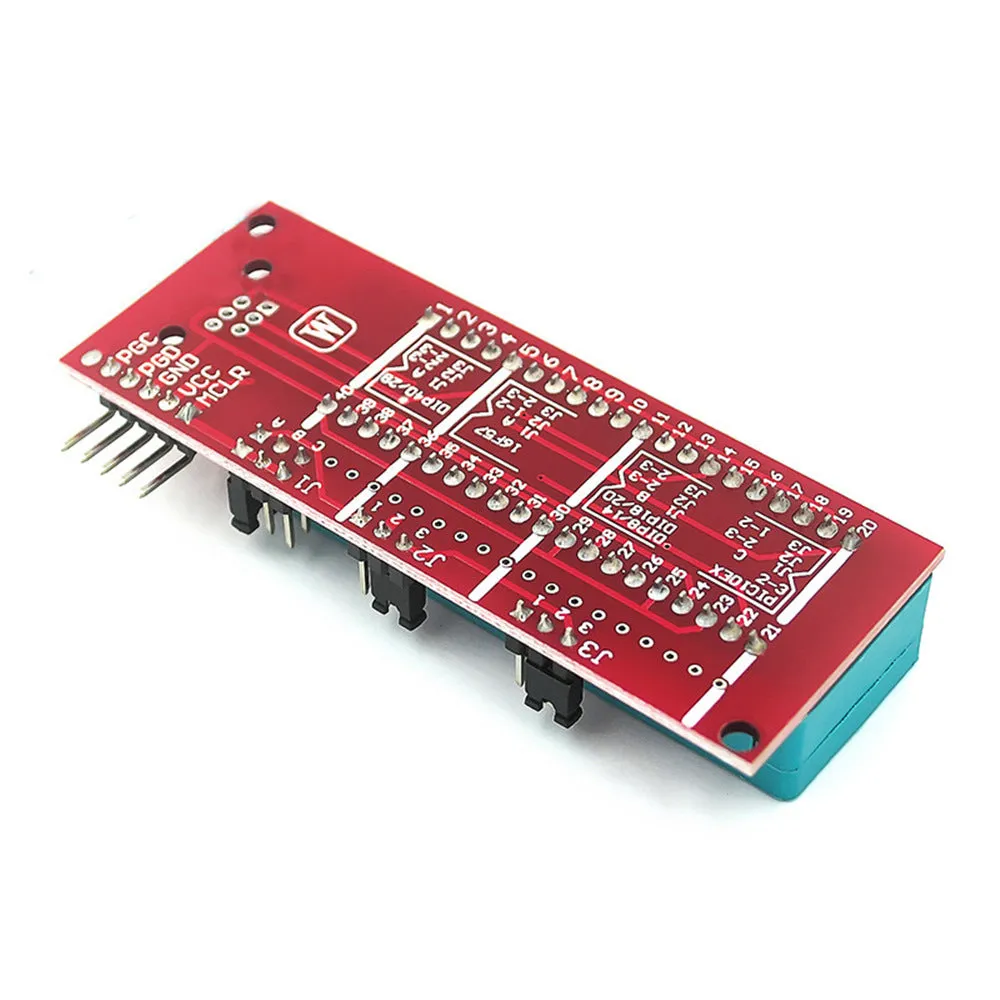
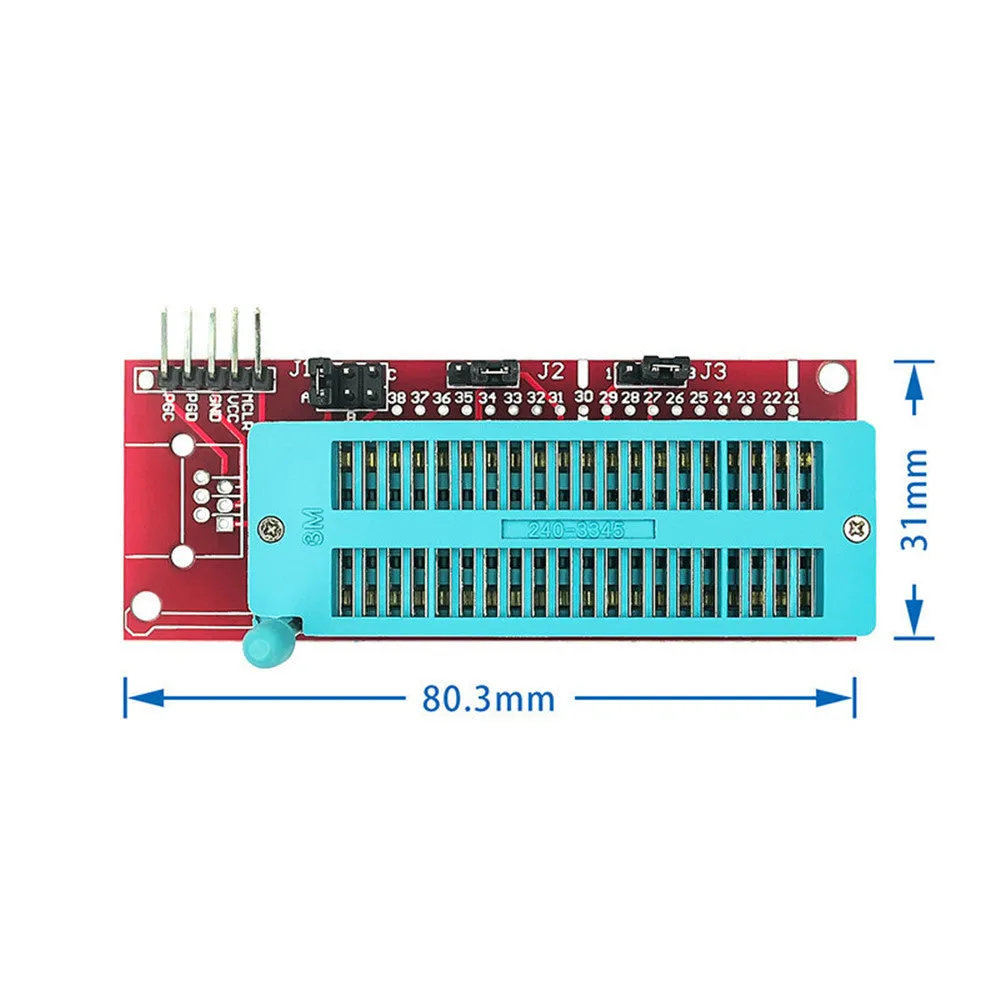
Offline simulation programmer burner with KIT3, KIT3.5, and ICD2 burning sockets for microcontroller programming and development tools, compatible with extensive use applications


Offline simulation programmer burner with KIT3, KIT3.5, and ICD2 burning sockets for microcontroller programming and development tools, compatible with extensive use applications
Offline Simulation Programmer Burner with KIT3, KIT3.5 and ICD2 Burning Sockets
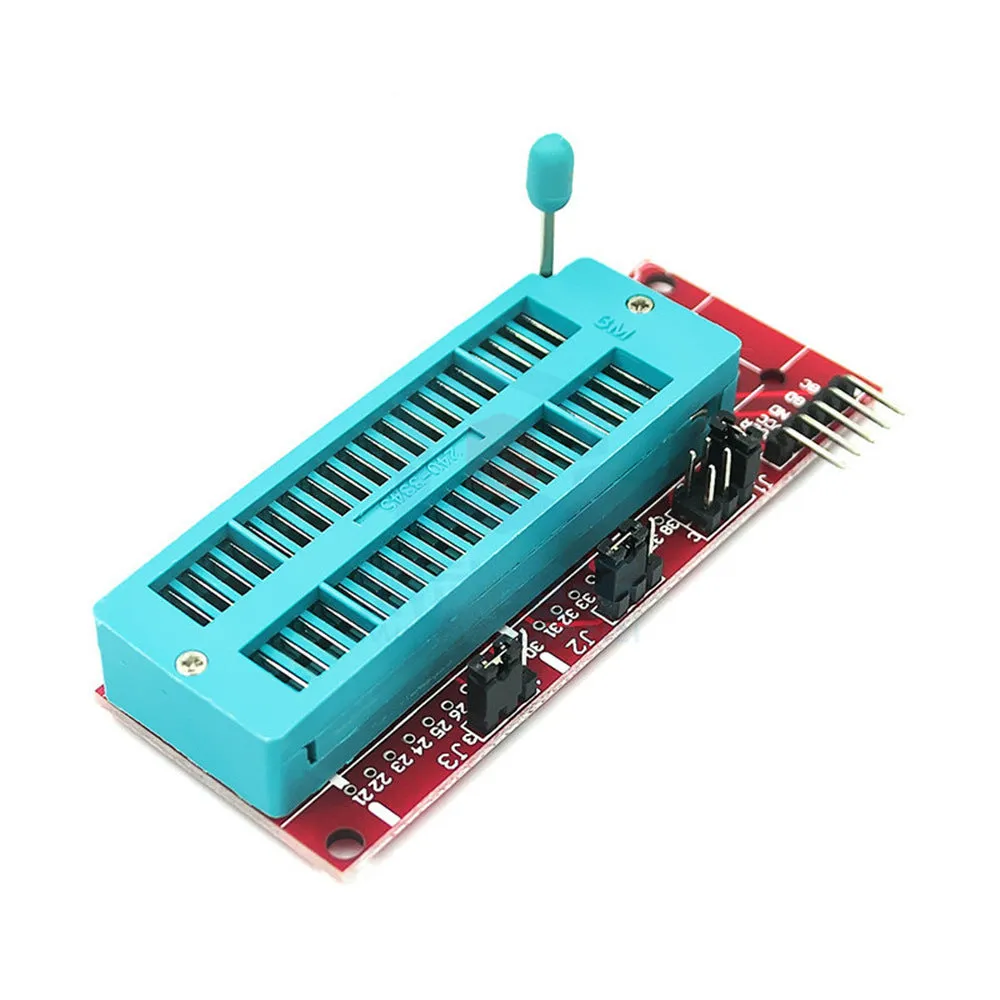
This hardware programmer burner serves electronics developers and microcontroller engineers who require reliable offline programming capabilities. Unlike software-only solutions that demand continuous computer connection, this device provides standalone operation once initial programming parameters are set. The inclusion of three distinct burning sockets—KIT3, KIT3.5, and ICD2—ensures compatibility with a range of microcontroller families and development environments. This multi-socket approach addresses the practical need for equipment that can handle different project requirements without requiring multiple dedicated programmers. The device is specified for extensive use, indicating suitability for both professional development environments and educational settings where microcontroller programming forms part of the curriculum or project work.
Features and Construction
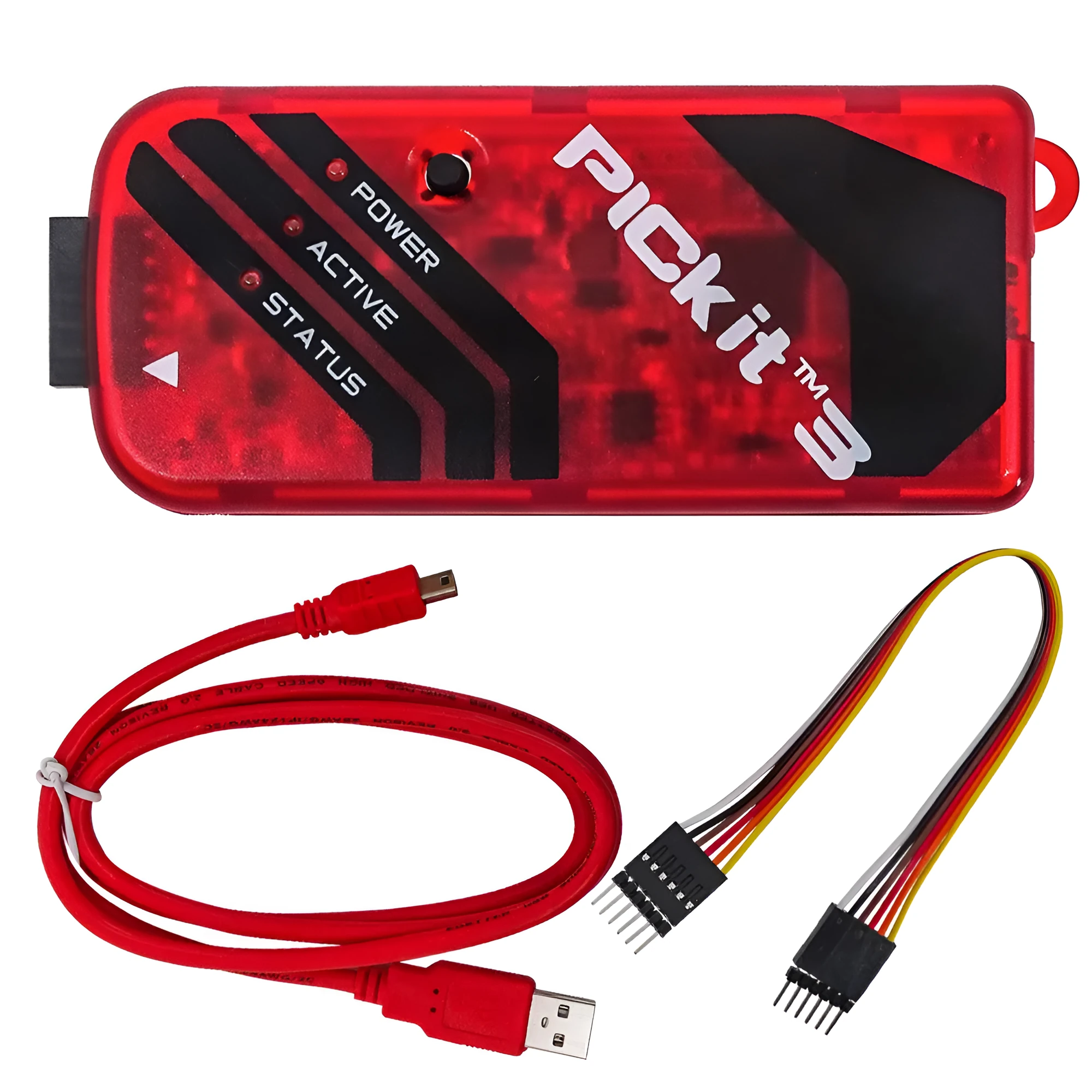
The programmer's core functionality centres around its ability to operate independently from a computer system once programming parameters have been configured. This offline capability distinguishes it from many basic programming tools that remain tethered to development software throughout the programming cycle. The device incorporates three specific interface sockets, each designed for different microcontroller families and development toolchains.
Material and Build
The construction consists of electronic components arranged to facilitate microcontroller programming operations. The three socket types—KIT3, KIT3.5, and ICD2—represent standard interfaces within microcontroller development ecosystems. These sockets provide physical connections between the programmer hardware and target microcontroller boards or chips. The device operates on standard mains electricity with power requirements measured in watts, though specific wattage figures are not provided in the available specifications. The absence of detailed material descriptions suggests a focus on functional electronic components rather than specialised casing or construction materials.
Size and Practical Fit
No specific dimensions are provided for this programmer burner, suggesting that its physical size is standard for such development tools rather than a distinguishing feature. The device's practical fit relates more to its socket compatibility than physical dimensions—engineers select it based on whether it supports their required microcontroller interfaces rather than its footprint on a workbench. The three-socket configuration provides flexibility within a single unit, potentially reducing the need for multiple dedicated programmers when working across different microcontroller platforms or project types.
Uses and Placement
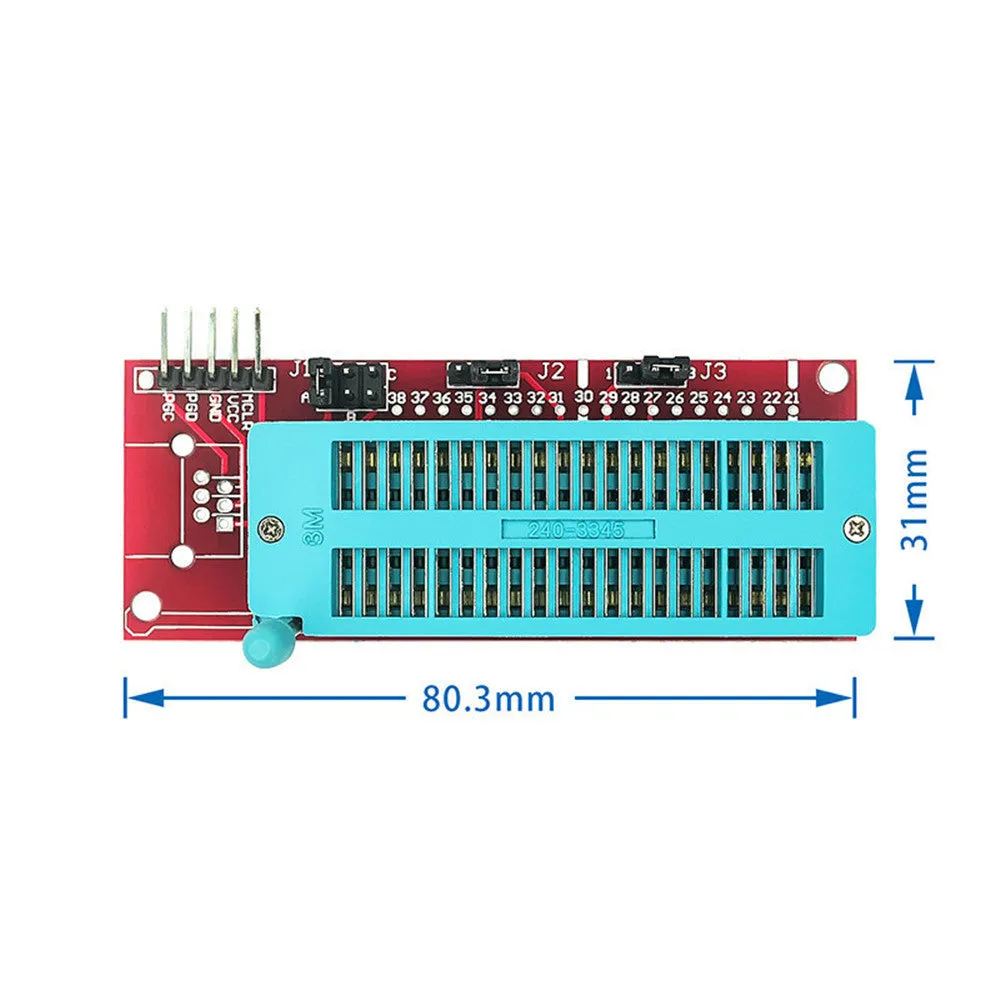
This programmer burner finds application wherever microcontroller programming forms part of electronics development, prototyping, testing, or educational activities. Its offline operation capability makes it particularly suitable for environments where computers cannot remain dedicated to programming tasks or where multiple programming operations need to occur simultaneously. The device supports extensive use, indicating robustness for frequent programming cycles across various projects.
Event or Professional Use
In professional electronics development settings, this programmer serves engineers who need to program multiple microcontroller units during product testing, manufacturing validation, or field updates. The offline capability allows programming to continue independently while development computers are used for other tasks like debugging, simulation, or documentation. The three-socket configuration enables technicians to program different microcontroller types without switching equipment, potentially improving workflow efficiency in environments handling diverse projects. Educational institutions might employ such devices in electronics laboratories where students learn microcontroller programming across different hardware platforms.
Everyday Home Use
For electronics hobbyists and makers working on personal projects, this programmer provides a dedicated hardware solution that doesn't tie up a computer during potentially lengthy programming cycles. The multi-socket compatibility means a single device can support various microcontroller projects—from Arduino-compatible boards to more specialised microcontroller families. The offline operation allows programming to proceed while using the computer for research, design, or communication related to the project. Although described as suitable for extensive use, hobbyists would appreciate the reduced wear on computer USB ports that can occur with frequent programming cable connections and disconnections.
Benefits and Buying Value
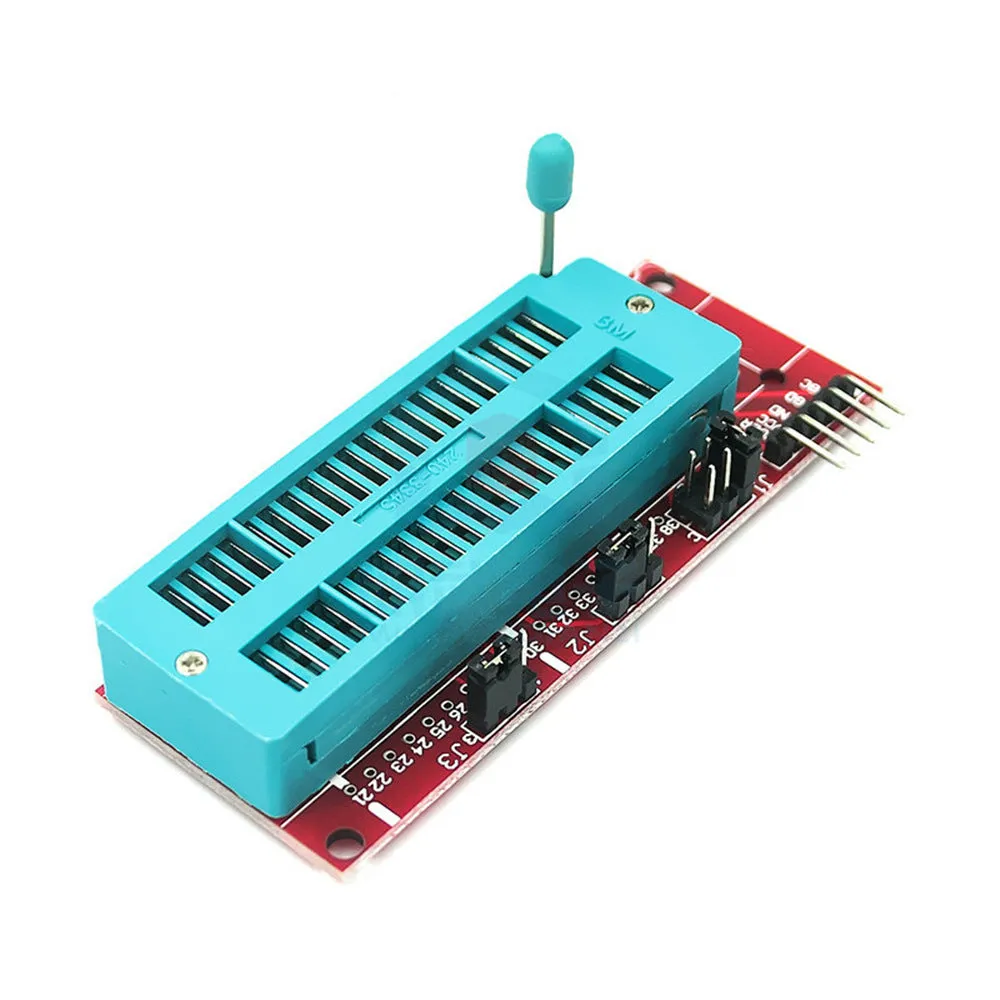
The programmer's value stems from its combination of multi-socket compatibility and offline operation capability—two features that address practical limitations of simpler programming solutions. By supporting three common microcontroller interfaces, it reduces the need for multiple dedicated programmers when working across different platforms. The offline functionality provides workflow flexibility that software-only solutions cannot match.
Reuse and Low Maintenance
This programmer supports reuse across multiple projects and microcontroller types due to its three-socket configuration. Unlike single-interface programmers that become obsolete when project requirements change, this device maintains relevance as engineers transition between different microcontroller families. The offline operation reduces software compatibility issues that can arise with operating system updates or development environment changes—the hardware continues functioning independently. The specification for extensive use suggests construction designed for repeated programming cycles rather than occasional hobbyist use, though specific durability claims or lifespan estimates are not provided in the source material.
Why Choose This Product
Electronics developers select this programmer when they require hardware that supports multiple microcontroller interfaces without compromising on offline programming capability. The three-socket configuration provides practical flexibility for engineers working across different project types or microcontroller families. The offline operation enables more efficient use of development computers and supports programming in environments where computers cannot remain dedicated to the task. While the device lacks detailed specifications regarding dimensions, materials, or additional features, its core value lies in this combination of multi-interface support and standalone operation—addressing two common limitations of basic programming tools.